Design Standout Door Hangers: A Guide to Canva Templates
That small piece of cardboard hanging on a doorknob is prime real estate. Whether you’re a small business owner promoting a new service, a realtor leaving contact information, or a crafter creating personalized gifts, a door hanger needs to grab attention instantly. The challenge is creating a professional, compelling design without spending hours or a fortune. This is where the Canva Door Hanger Template becomes an indispensable tool in your design toolkit.
More Than Just a Template: A Strategic Design Asset
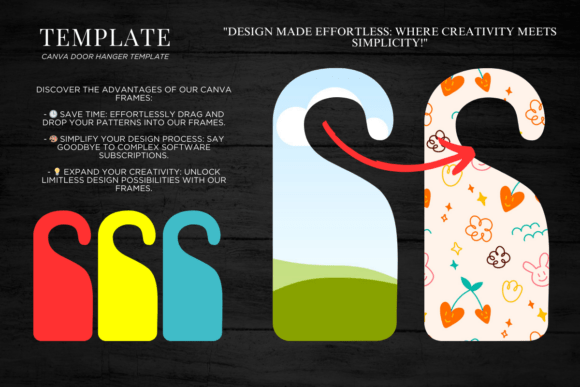
A Canva Door Hanger Template isn't a pre-made, unchangeable graphic you print. This is a digital item. No printed item will be shipped to your home. Instead, you receive a fully editable digital file designed within the Canva platform. Think of it as a sophisticated starting point—a professionally crafted layout where every element is yours to modify. The visual characteristics of these templates are built for impact. They feature clear visual hierarchies, strategic use of space, and thoughtful typography that guides the viewer’s eye from the headline to the call to action.
The personality and style are incredibly versatile. You’ll find templates with a modern, minimalist aesthetic using clean sans serif fonts and ample white space, perfect for a tech startup or a high-end salon. Conversely, there are designs with a vintage or handcrafted feel, incorporating script fonts, textured backgrounds, and ornate borders ideal for a bakery, boutique, or artisanal service. The overall appeal lies in this flexibility; the template provides the professional structure, while you inject your unique brand identity.
Practical Applications Across Industries
The true value of these design assets is realized in their application. For the entrepreneur, a Canva Door Hanger Template is a quick path to a polished marketing tool. Imagine a dog walker creating a door hanger with playful imagery and a friendly handwritten font to distribute in pet-friendly neighborhoods. A plumber or electrician can use a template with a bold, authoritative typeface to convey trust and professionalism. The drag-and-drop ready interface means you can have a print-ready file in minutes, not days.
For designers and content creators, these templates are a playground for font pairing and brand consistency. You can test how a premium serif font pairs with a modern sans serif for body text, ensuring your brand’s voice is consistent across all materials—from a door hanger to social media graphics. The high-resolution and scalable nature of the files means the same design can be adapted for a flyer, a social media post, or a product label, maintaining brand recognition across every touchpoint. This is where modern typography meets practical business needs.
Elevating Brand Perception and Audience Engagement
A thoughtfully chosen typeface does more than just display words; it shapes perception. A door hanger using a classic serif font can evoke a sense of tradition, reliability, and authority—ideal for a law firm or financial advisor. In contrast, a geometric sans serif font projects innovation and clarity, suitable for a digital agency or a contemporary café. This choice directly influences how your audience engages with the material. A script or handwritten font, when used sparingly for a headline or logo design element, adds a personal, approachable touch that can make a small business feel more human and relatable.
Visual hierarchy, established through font size, weight, and style, is critical in the limited space of a door hanger. A well-structured template will already have this hierarchy built in, guiding the reader seamlessly from the main message (e.g., “10% Off Your First Order”) to the supporting details and finally to your contact information or website. This clarity reduces cognitive load and increases the likelihood of the viewer taking the desired action, whether it’s calling a number, visiting a website, or scanning a QR code.
Choosing and Customizing Your Template
When selecting a Canva Door Hanger Template, start with the end goal in mind. What is the primary message? Who is the audience? If you’re targeting a luxury market, seek out templates with elegant typography and restrained layouts. For a children’s party planner, look for designs with vibrant colors and playful display fonts. Don’t just pick a design you like; pick one that fits the project’s personality.
Once you have your template, the customization process is where your brand takes shape. Start designing like a pro — no design skills needed! Use Canva’s tools to replace the placeholder text with your own, but pay close attention to the font styles included in the template. Often, a template will use a font pairing—a combination of a display font for headlines and a more readable body font. Stick to these pairings initially, as they are designed to work harmoniously. You can usually find the font names listed in Canva’s text editing panel.
Evaluate the readability of your customized design. Print a test copy or view it at actual size on your screen. Is the key information legible from a distance? Are the colors providing enough contrast? This step is non-negotiable for effective editorial design and packaging design. Finally, if you plan to use the design for commercial purposes—like promoting your business—the templates are typically licensed for such use, but it’s always prudent to verify the specific terms associated with the template you choose. This ensures your brand identity is built on a solid, professional foundation.