Editable Recipe Book Template: Design Your Culinary Story
For anyone who has ever dreamed of compiling their family’s treasured recipes into a beautiful, cohesive book, the journey from handwritten cards to a polished publication can feel daunting. The gap between a stack of notes and a professionally designed cookbook is often bridged by one thing: a thoughtfully crafted layout. This is where a high-quality, editable template transforms the process from a technical challenge into a creative joy.
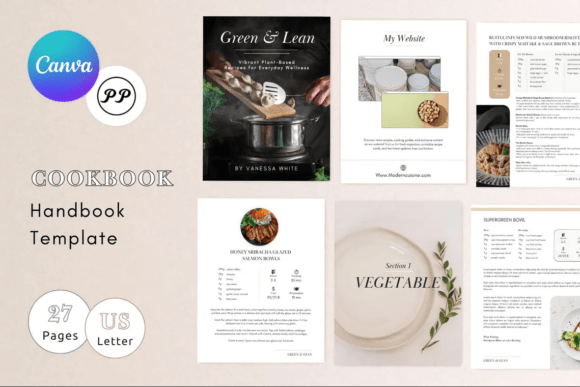
The Ultimate Canva Template Cookbook is not just a collection of pages; it’s a complete design system built for creators. Think of it as the architectural blueprint for your culinary narrative. Its visual personality is one of clean elegance and versatile charm, designed to let your food photography and personal stories take center stage. The layouts prioritize clarity, using generous white space and structured grids to guide the reader’s eye effortlessly from an ingredient list to a method step. The overall appeal lies in its professionalism—it provides the polish of a published book without requiring you to be a graphic designer.
Where This Template System Truly Shines
While its primary purpose is obvious, the applications of this Editable Recipe Book Template extend far beyond a simple personal cookbook. Its modular nature makes it a powerful design asset for a range of creative and commercial projects.
For food bloggers and content creators, it’s a game-changer. You can use the styled recipe pages to create consistent, branded content for your website or as a lead magnet—a beautiful downloadable PDF that grows your email list. The cohesive themes ensure that whether you choose a modern, rustic, or minimalist style, every page feels intentionally designed, strengthening your brand identity across platforms.
Small business owners, particularly those in the food industry like bakeries, meal prep services, or specialty food shops, can leverage this template for professional packaging design inserts or customer-facing recipe cards. It elevates a simple instruction sheet into a marketing tool that communicates quality and care. Similarly, entrepreneurs creating digital products can use the template as a foundation for an eBook, adding their own tips, anecdotes, and branding to create a sellable, high-value item.
For hobbyists and crafters, the template is a blank canvas for a deeply personal gift. Imagine creating a heritage recipe book for a wedding or anniversary, complete with family photos and notes. The editorial design principles embedded in the template ensure the final product is not just a collection of recipes, but a cherished keepsake. The inclusion of meal planners and glossary pages adds practical utility, making the finished book a functional kitchen companion.
The Anatomy of a Professional Cookbook Layout
Understanding what’s inside this template pack is key to appreciating its value. It’s meticulously organized to cover every section a cookbook needs, from the welcoming introduction to the final credits.
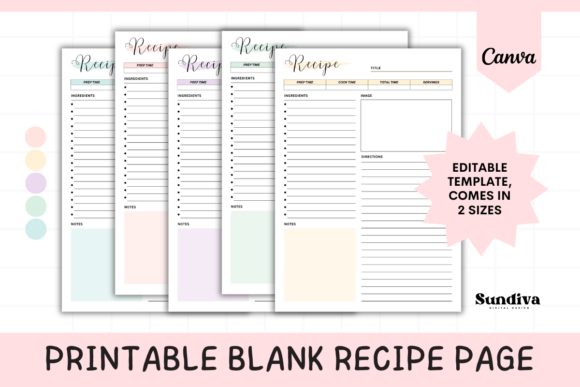
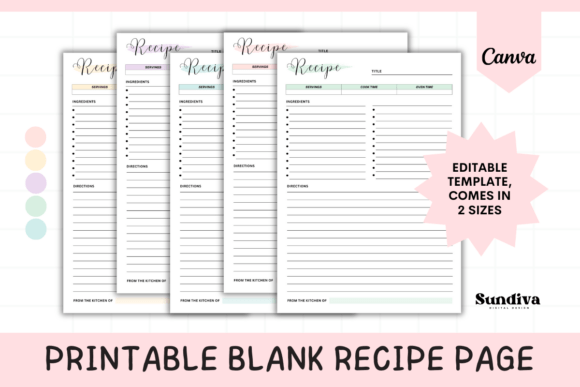
The pack includes multiple recipe page layouts—the core of any cookbook. These are designed with clear visual hierarchy: a prominent title, a dedicated space for a stunning photo, neatly formatted ingredient lists, and step-by-step instructions. This structure isn’t just about looks; it directly impacts readability. A well-structured recipe page reduces cognitive load, allowing a home cook to follow along easily, even with a messy counter.
Beyond the recipes, you’ll find essential front and back matter. The table of contents templates help organize your book logically. The section dividers create natural breaks between chapters, like "Appetizers" or "Desserts," enhancing the book's flow. The “About Me” and “Special Thanks” pages add a human touch, connecting the reader to the author’s story and building a sense of community.
Practical extras like the meal planner and kitchen conversion chart are thoughtful additions that increase the book's utility. These are the details that separate a casual project from a considered publication. The glossary page is perfect for defining culinary terms or explaining unique ingredients, showcasing an author’s expertise and care for their audience.
Practical Guidance for Using Your Template
Getting started is straightforward, but a few best practices will ensure your final product is exceptional. First, choose your theme thoughtfully. The included modern, rustic, and minimalist styles each set a different tone. A rustic theme with earthy tones and textured backgrounds suits a farm-to-table cookbook, while a minimalist style with bold sans-serif fonts and stark whites is perfect for a modern, health-focused collection. Let your content and personal brand guide this choice.
Next, focus on font pairing and customization. The template likely uses a combination of a clean serif font for body text (excellent for readability) and a complementary display font for titles. In Canva, you can easily swap these to match your existing brand fonts. The key is to maintain contrast and hierarchy. A script or handwritten font can add a personal, artisanal feel to chapter titles, but use it sparingly to ensure legibility.
When populating the pages, leverage the photo placeholders effectively. High-quality food photography is what makes a cookbook compelling. The styled frames in the template will make even your smartphone photos look more polished. Be consistent with your photography style—lighting, angles, and props—to create a cohesive visual narrative throughout the book.
Finally, remember the export flexibility. You can export as a PDF for a digital eBook, a printable file for home use, or a high-resolution file for a professional printer. This versatility makes the template a true digital printable file asset, adaptable to your exact needs. Whether you’re creating a private family heirloom or a public-facing digital product, the Editable Recipe Book Template provides the professional framework to make your culinary vision a beautiful reality.