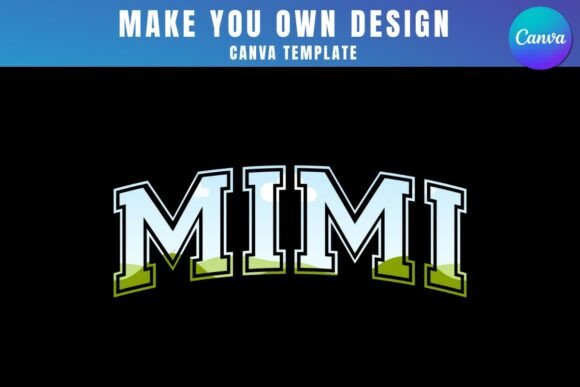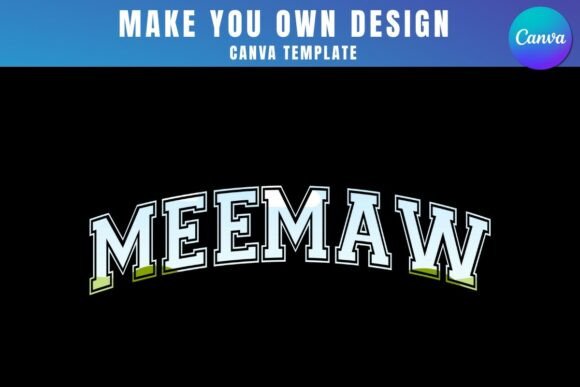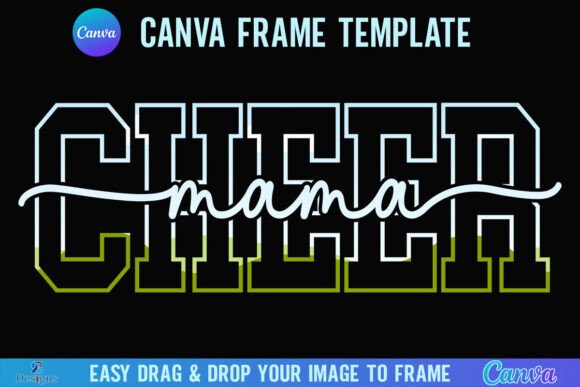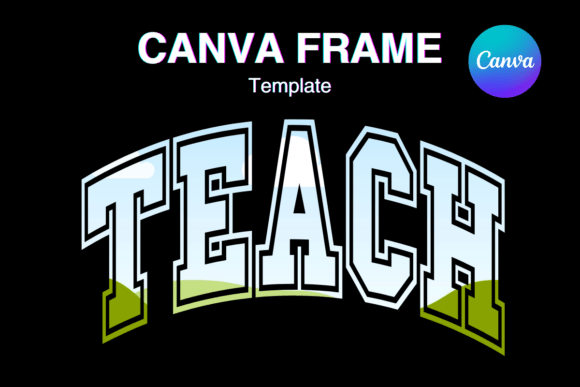
Amen Canva Frame Template Design: A Practical Creative Tool
If you work with Canva regularly, you know the platform’s strengths—and its limitations. While Canva is incredibly accessible, creating truly polished, consistent visual assets can sometimes feel repetitive. That’s where a thoughtfully designed resource like the Amen Canva Frame Template Design comes in. It’s not a font or a graphic, but a set of pre-made frames designed to streamline your workflow, particularly when you’re working with photographic or illustrated backgrounds.
What Exactly Are You Getting?
When you purchase this digital product, you receive a single PDF. Inside that PDF is a direct link to access the Canva frame templates. Once you click the link, the templates open in your Canva account, ready for you to use. The core function is simple: these frames act as containers for your PNG or JPG images. You can drag and drop any background image into one of the frames, and it will automatically conform to the frame’s shape. This is a fundamental tool for creating consistent thumbnails, social media posts, or marketing materials without manually cropping or masking every image.
It’s important to understand the practical boundaries of this tool. A free Canva account is required to open and edit the templates. However, if you need to export your final design with a transparent background—a common requirement for logos, watermarks, or layered graphics—you’ll need a Canva Pro subscription. This is a standard Canva limitation, not one imposed by the template designer. Furthermore, this is a digital product. You are purchasing the design asset and the convenience it provides, not a physical frame. These templates are built exclusively for the Canva ecosystem and are not compatible with vector-based software like Adobe Illustrator, nor with cutting machines such as Cricut or Silhouette.
The Real-World Value of Pre-Built Frames
For a designer, entrepreneur, or content creator, time is a tangible resource. The Amen Canva Frame Template Design offers value by solving a recurring, time-consuming task. Consider creating a series of Instagram posts for a product launch. Each post needs a consistent shape—perhaps a rounded rectangle or a custom outline—to build a cohesive grid. Manually creating and aligning these shapes for every image is tedious. With these frames, you simply drop in your product photo, and the consistency is automatic. This ensures your brand identity looks unified and professional across all platforms, which is crucial for recognition and trust.
The applications extend far beyond social media. Think about designing a lookbook for a small fashion brand. Each page could feature a model shot within a stylish, uniform frame, creating an elegant editorial design feel. For packaging design concepts, frames can help mock up how a logo or graphic might appear on a product label. Bloggers can use them to create consistent featured images for their articles, improving the overall visual flow of their website. Marketers can quickly generate ad variations for A/B testing, swapping out background images within the same trusted frame layout. The utility is in the consistency and the saved minutes (or hours) that add up over a project’s lifespan.
Choosing and Using the Templates Effectively
Before you integrate the Amen Canva Frame Template Design into your process, a little evaluation is key. First, examine the frame shapes included. Do they align with your project’s aesthetic? Are they geometric and modern, or organic and fluid? The visual personality of the frame itself contributes to your overall design. A sharp, angular frame communicates precision and modernity, while a soft, irregular shape might feel more artisanal or approachable.
Once you’ve selected a frame, test it with your actual content. Does the frame’s shape complement your typical imagery? If you often use wide landscape photos, a tall, narrow frame might not be the best fit. Pay attention to visual hierarchy as well. The frame should enhance your image, not compete with it. Sometimes, a simple, clean frame is the most powerful choice because it lets the content inside take center stage. Think of it like a picture frame in a gallery—the frame should support the art, not distract from it.
Finally, consider how these frames fit into your broader design assets library. They work best as part of a system. Pair them with a consistent color palette, a reliable set of font pairings (maybe a strong sans serif font for headings and a clean serif font for body text), and your established logo. This approach to modern typography and layout ensures every piece of content you create, from a quick social graphic to a formal web design element, feels intentional and on-brand. The goal isn’t to use the frames for everything, but to know when they can be the right tool to bring efficiency and polish to your creative work.