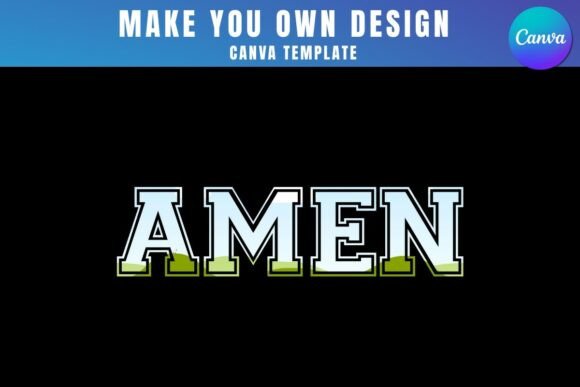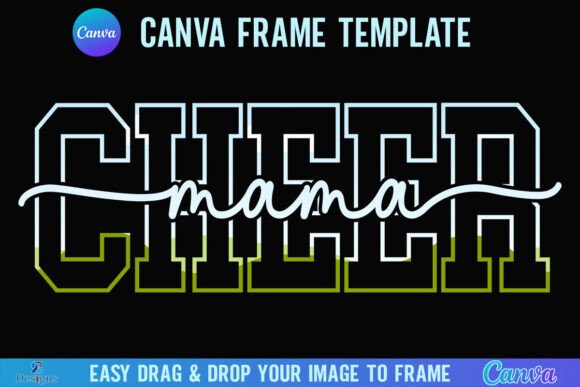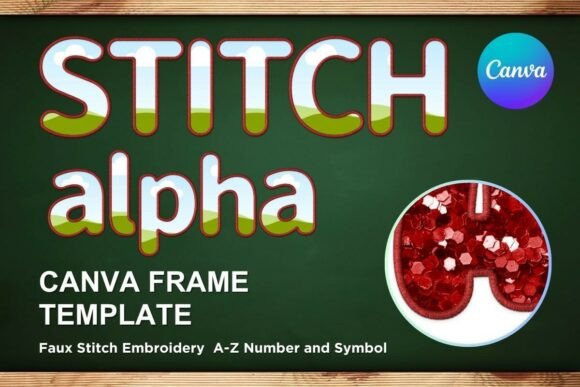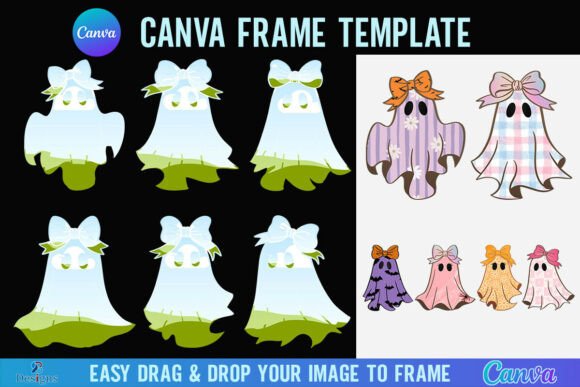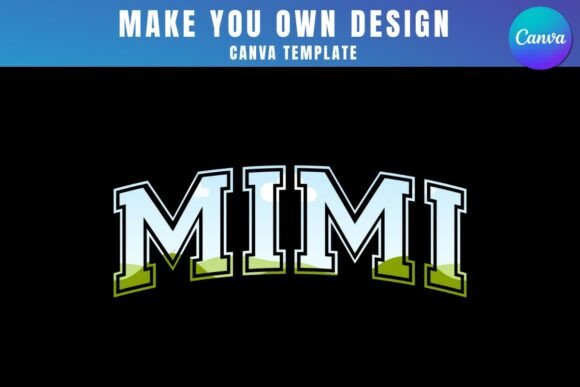
Mimi Canva Frame Template Design: A Creative Asset for Visual Storytelling
Finding the right design assets can often feel like searching for a specific color in a vast, unorganized palette. You know what you need, but the tools available don't always fit. The Mimi Canva Frame Template Design enters this space not as a traditional typeface, but as a specialized creative resource. It's a collection of digital frames designed specifically for use within Canva, offering a structured yet flexible way to enhance your visual projects. This isn't about changing the font of your text; it's about transforming how you present your imagery.
Understanding the Visual Language of Mimi Frames
The personality of the Mimi Canva Frame Template Design leans towards the elegant and the intricate. Imagine delicate botanical outlines, soft geometric shapes with subtle ornamentation, or classic oval borders with a touch of vintage flair. These frames are crafted to add a layer of sophistication and intentionality to any image they hold. The overall appeal is one of curated beauty—they help frame not just a picture, but a mood, a story, a brand's aesthetic. They function as a premium design asset that elevates ordinary PNG or JPG backgrounds into polished components of a larger composition.
Where does this style truly shine? Its strength lies in projects that benefit from a touch of refinement and visual hierarchy. Think of editorial design for a digital magazine, where a portrait of an author needs a distinguished border. Consider packaging design for artisanal products, where the frame can cradle the product photo on a label or box. In brand identity work, these frames can become a consistent element across social media graphics, creating a recognizable template for quotes, testimonials, or featured images. For bloggers and content creators, they offer a quick way to make featured images or Pinterest pins look more cohesive and professionally designed without needing advanced software skills.
Practical Applications and Strategic Integration
Integrating the Mimi Canva Frame Template Design into your workflow is straightforward, thanks to its delivery method. After downloading the zip file, you access a PDF with a direct link to the Canva templates. From there, the process is intuitive: open the template in your free Canva account, and simply drag and drop your chosen background image into the frame. This ease of use is a significant practical advantage, especially for small business owners, marketers, and hobbyists who may not have the time or budget for complex design software.
However, it's crucial to understand the operational details. The templates require a free Canva account for editing. A key consideration is that to download your final design with a transparent background—a common requirement for overlaying graphics onto different colored surfaces or other images—you will need a Canva Pro subscription or higher. This is an important factor in your project planning. Also, remember that this is a digital-only product; you're purchasing the right to use the templates, not physical frames. The files are exclusive to the Canva ecosystem and are not compatible with SVG editing software or cutting machines like Cricut or Silhouette.
The real value emerges when you think beyond a single image. Use these frames to build a visual system. For a social media graphics campaign, create a series of posts where every testimonial uses the same Mimi frame style. This builds consistency and brand recognition. In web design, you could use a delicate frame to highlight a team member's photo on an "About Us" page, adding a human touch with professional polish. For logo design concepts, a frame might provide the perfect container for an emblem or monogram during the presentation phase. The frames influence visual hierarchy by drawing the viewer's eye to the contained image and lending it professionalism and perceived importance.
Choosing and Using Mimi Frames Effectively
Not every project calls for ornate borders, and part of using any creative font or asset wisely is knowing when it fits. Evaluate your project's tone. The Mimi frames generally suit themes of elegance, tradition, romance, or refined craftsmanship. They might feel out of place in a project aiming for a stark, minimalist, or highly technical aesthetic. Always test the frame with your actual content. Does it complement or compete with your image? Does it enhance the message or distract from it?
A practical step is to explore font pairing—not with other typefaces, but with the frames themselves. If your project uses a strong, bold sans serif font for headlines, a delicate Mimi frame can provide a pleasing contrast. If your body text is a classic serif font, a frame with similar classical proportions might create harmony. Consider the weight and detail. A very intricate frame might get lost if placed against a busy, textured background image. Conversely, a simple, elegant oval frame might be the perfect solution to add structure without overwhelming a complex photograph.
Think about the practical outcomes. Using these frames can save significant time in the design process, acting as a ready-made solution for common layout challenges. They help maintain a high standard of visual quality across multiple pieces of content, which is essential for building a strong brand identity. For entrepreneurs and marketers, this consistency translates directly into audience engagement, as polished visuals are more likely to stop a scrolling thumb and convey credibility.
In the end, the Mimi Canva Frame Template Design is a tool for visual storytelling. It provides a structured way to present your imagery with added character and intention. By understanding its style, respecting its technical requirements, and applying it thoughtfully to the right projects, you can leverage this asset to create more engaging, professional, and cohesive designs across your creative endeavors. It’s a reminder that sometimes, the right frame is just as important as the picture inside it.